
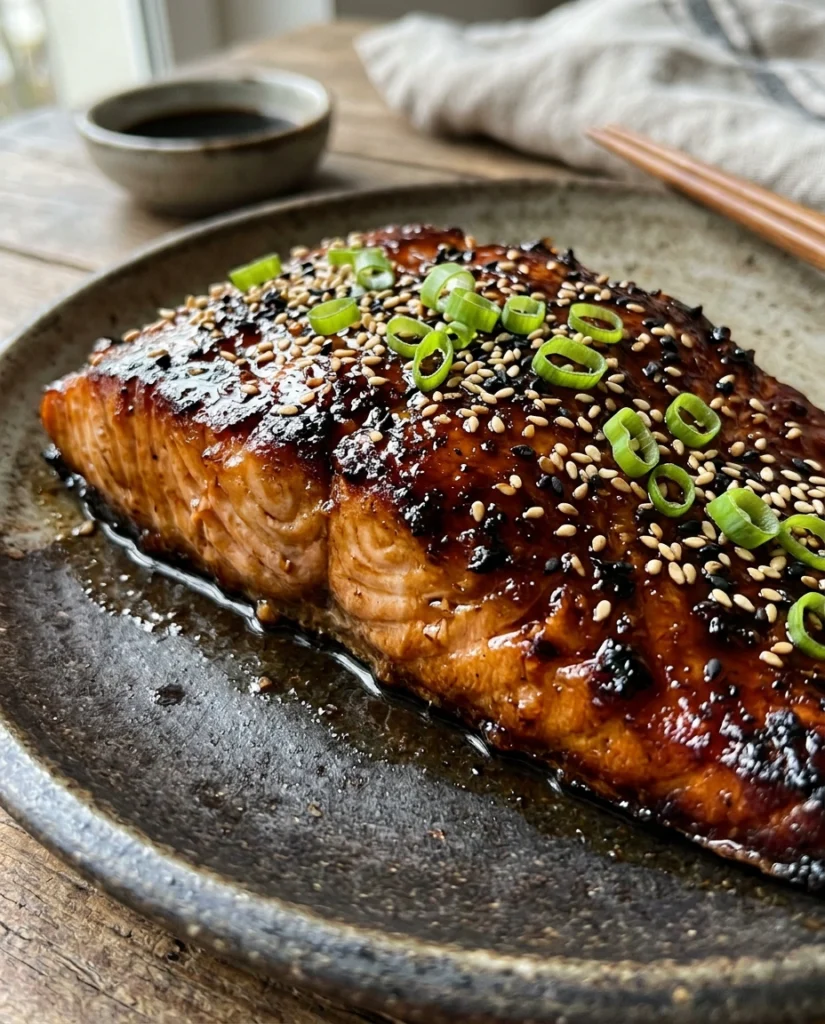
There is a grilling recipe for dinner that manages to be simultaneously weeknight-simple and weekend-impressive, nutritionally outstanding and deeply indulgent in flavor, quick enough for a Tuesday and special enough for a dinner party. Grilled teriyaki salmon is that recipe, and once it enters your regular rotation it tends to stay there permanently.
Salmon on the grill is already one of the most rewarding easy grilling recipes in existence. The high fat content of the fish means it is naturally forgiving over heat, developing a gorgeous caramelized crust while staying moist and silky in the center in a way that leaner proteins simply cannot. Add a homemade teriyaki glaze — built on soy, mirin, sake, and honey — and you have a grilling recipes dinner that operates at a level of flavor complexity that its preparation time does not begin to suggest.
Why You’ll Love This Grilling Recipe
The case for this healthy grilling recipe starts with the salmon itself. Salmon is one of the most nutrient-dense proteins available — rich in omega-3 fatty acids, high-quality protein, vitamin D, and B vitamins — which means this grilling recipes dinner genuinely earns the word healthy without any compromise on satisfaction or flavor. It is the kind of meal that makes you feel good during and after eating it.
The homemade teriyaki glaze is what separates this from every other grilled salmon recipe. Store-bought teriyaki sauce is almost universally too sweet, too thin, and too one-dimensional to produce the kind of deep, lacquered caramelization that makes a great grilling recipe memorable. A homemade version takes eight minutes on the stovetop and produces a glaze with genuine depth — sweet, savory, slightly smoky from the grill, with a glossy finish that clings to the salmon beautifully and caramelizes into something extraordinary over direct flame.
For grilling recipes for two, salmon is a particularly practical choice. Two fillets take up minimal grill space, cook in under ten minutes, and produce a plated result that looks genuinely impressive with almost no effort. Paired with a simple grilling recipes side dish of steamed rice and grilled vegetables, this easy grilling recipe covers every element of a complete, nourishing dinner.
Common Mistakes (And How to Avoid Them)
Starting with skin-on salmon that has not been properly dried. Wet salmon skin placed on grill grates will stick immediately and tear when you attempt to flip it, leaving half the fish on the grates and ruining the presentation entirely. Pat every surface of the salmon — skin included — completely dry with paper towels before it goes anywhere near the grill. This single step makes the difference between a salmon fillet that lifts cleanly off the grates and one that falls apart.
Applying the teriyaki glaze too early. The sugar content of teriyaki glaze is extremely high, and high-sugar sauces applied at the start of a cook will burn black long before the salmon reaches the correct internal temperature. In this easy grilling recipe, the glaze goes on only in the final two to three minutes of cooking, when the salmon is already nearly done and you are simply building the caramelized finish rather than cooking the fish through.
Cooking salmon straight from the refrigerator. Cold salmon placed directly on a hot grill will cook unevenly — the outside chars and overcooks while the thick interior center struggles to come up to temperature. Remove the fillets from the refrigerator at least fifteen to twenty minutes before grilling and allow them to approach room temperature for a more even, controlled cook throughout this grilling recipe.
Using thin salmon fillets. Thin fillets cook through almost instantly on a hot grill, leaving almost no window to develop a proper crust and apply the teriyaki glaze before the fish is overdone. Look for center-cut fillets that are at least one inch thick — the center cut is the thickest, most uniform section of the fillet and gives you the most control over the final result in this healthy grilling recipe.
Over-flipping the salmon. Like most fish grilling recipes, teriyaki salmon needs one clean flip executed at the right moment. Multiple flips break down the delicate structure of the fish, destroy the developing crust, and cause the fillet to fall apart on the grates. Lay it down, leave it alone, flip once, apply the glaze, and finish.
Chef’s Notes
The quality of the soy sauce in this grilling recipe matters more than it might appear. Standard supermarket soy sauce produces a perfectly acceptable result, but a good quality Japanese soy sauce — a naturally brewed shoyu — has a deeper, more complex flavor with finer salt and a subtle sweetness that elevates the homemade teriyaki glaze considerably. If you cook this easy grilling recipe regularly, which you will, investing in a good bottle of shoyu is worthwhile.
Mirin is the ingredient most commonly substituted out of homemade teriyaki sauce by cooks who do not have it on hand, usually replaced with additional sugar or honey. Resist that substitution in this grilling recipe. Mirin — a sweet Japanese rice wine — contributes not just sweetness but a specific umami depth and a glossiness to the finished glaze that sugar alone cannot replicate. It is available in most supermarkets and keeps indefinitely in a cool pantry.
For a grilling recipes Blackstone application, teriyaki salmon translates exceptionally well to the flat top griddle. The enclosed cooking surface caramelizes the teriyaki glaze more evenly and with more control than grill grates, producing a uniformly lacquered finish with a slightly crispier texture on the skin side that is genuinely outstanding.
Key Ingredients
Salmon Fillets — The foundation of this healthy grilling recipe. Center-cut, skin-on salmon fillets are the ideal choice — the skin acts as a natural barrier between the delicate flesh and the hot grill grates, protecting the fish from drying out and providing a surface that crisps beautifully when properly prepared. The high fat content of salmon makes it the most forgiving fish in the easy grilling recipes canon.
Soy Sauce — The savory, umami backbone of the homemade teriyaki glaze. Soy sauce provides the salt, the deep brown color, and the fermented complexity that makes teriyaki such a compelling grilling recipe flavor profile. Use a naturally brewed Japanese soy sauce for the best result.
Mirin — The sweet rice wine that gives teriyaki its characteristic glossy finish and its distinctive sweet-savory balance. Mirin has a lower alcohol content than sake and a higher natural sugar level, which is what produces the lacquered, caramelized surface that makes this grilling recipes dinner so visually striking on the plate.
Sake — Japanese rice wine used in the glaze to add depth, cut through the sweetness of the mirin, and contribute a subtle fermented complexity that makes the homemade teriyaki taste layered rather than flat. Dry sherry is a reasonable substitute in this easy grilling recipe if sake is unavailable.
Honey — A small amount of honey added to the teriyaki glaze alongside the mirin creates a more complex sweetness than sugar alone and contributes to the deep caramelization that develops when the glaze hits the hot grill surface. It also adds a floral note that balances the sharp saltiness of the soy sauce.
Fresh Ginger and Garlic — Stirred into the teriyaki glaze during cooking, fresh ginger and garlic add aromatic sharpness and savory depth that keeps the glaze from tasting purely like a sweet sauce. They also caramelize against the surface of the salmon during the final minutes of grilling, adding flavor complexity to the finished crust.
Sesame Oil — Added to the glaze off the heat rather than during cooking, toasted sesame oil contributes a nutty, smoky aromatic layer that ties the entire flavor profile of this grilling recipe together and gives the finished salmon a distinctly Japanese character.
Rice Vinegar — A small amount of acid in the glaze prevents it from tasting cloying and one-dimensional. Rice vinegar has a milder, softer acidity than other vinegars, which means it brightens the teriyaki without introducing a sharpness that would fight against the delicate flavor of the salmon.
How to Make Grilled Teriyaki Salmon
- Make the teriyaki glaze. In a small saucepan over medium heat, combine a third of a cup of soy sauce, a quarter cup of mirin, two tablespoons of sake, one tablespoon of honey, one clove of finely grated garlic, and half a teaspoon of freshly grated ginger. Bring to a gentle simmer and cook for six to eight minutes, stirring occasionally, until the glaze has reduced by about a third and coats the back of a spoon. Remove from heat and stir in one teaspoon of toasted sesame oil and one teaspoon of rice vinegar. Divide into two portions — one for basting on the grill, one for finishing at the table.
- Prep the salmon. Remove the fillets from the refrigerator at least fifteen to twenty minutes before grilling. Pat every surface completely dry with paper towels, including the skin. Brush the flesh side lightly with a neutral oil such as avocado oil and season with a small pinch of salt and black pepper.
- Preheat the grill. Heat your grill to medium-high, around 400 to 425 degrees Fahrenheit. Clean the grates thoroughly and oil them two to three times immediately before the salmon goes on. A properly oiled grate is the most important structural element of this easy grilling recipe — it is what allows the skin to crisp and release cleanly rather than tearing.
- Grill skin side down first. Place the salmon fillets skin side down on the oiled grates. Do not move them. Grill for four to five minutes until the skin is crispy and the flesh has turned opaque about halfway up the side of the fillet. The salmon should release cleanly from the grates when it is ready to flip — if it resists, give it another thirty seconds.
- Flip and continue grilling. Flip the fillets once using a wide spatula and grill for another two to three minutes on the flesh side. For a medium finish with a slightly translucent center — the ideal doneness for this healthy grilling recipe — target an internal temperature of 125 to 130 degrees Fahrenheit. For fully cooked salmon, aim for 145 degrees Fahrenheit.
- Apply the teriyaki glaze. In the final two minutes of cooking, brush the basting portion of the teriyaki glaze generously over the flesh side of the salmon. Let it caramelize and darken against the heat for one minute, then flip back to the skin side briefly and apply a second coat. Watch carefully — the sugar in the glaze moves from caramelized to burnt quickly at this stage.
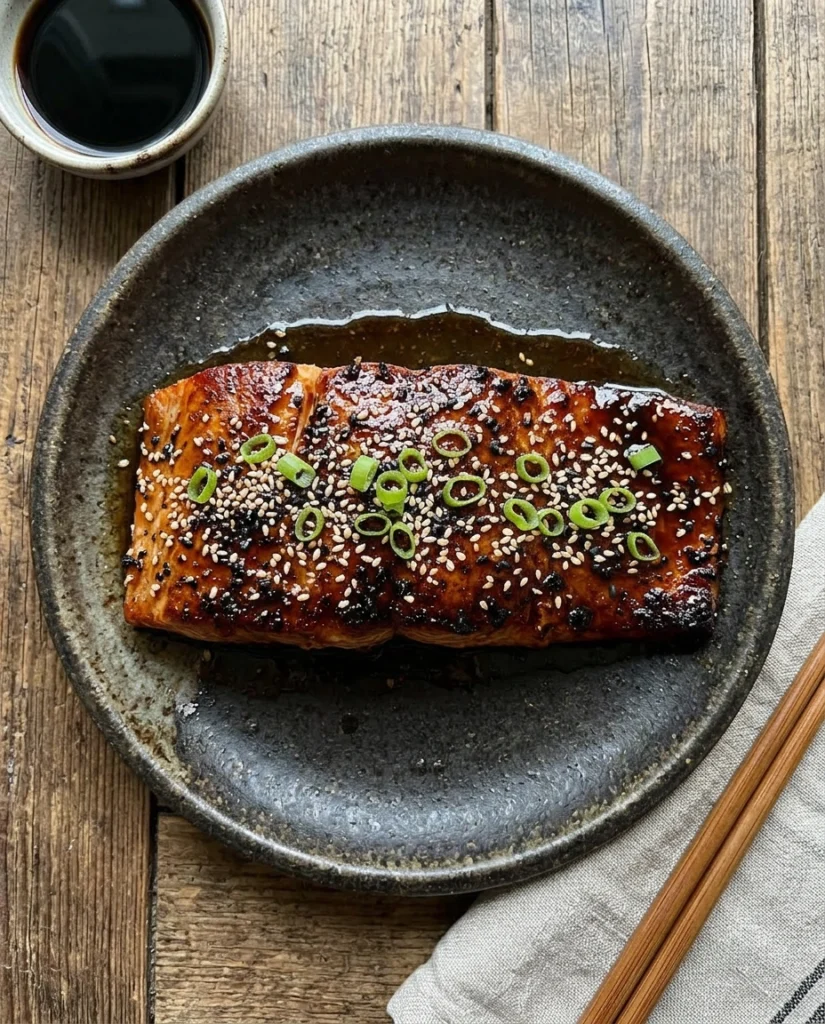
- Rest and finish. Transfer the salmon to a clean plate and rest for two minutes. Drizzle the reserved finishing glaze over the top and garnish with toasted sesame seeds and thinly sliced scallions. Serve immediately over steamed jasmine or sushi rice with grilling recipes side dishes of your choice alongside.
Variations and Tips
For a spicy sriracha teriyaki version, whisk one tablespoon of sriracha into the glaze alongside the soy sauce. The heat cuts through the sweetness of the mirin and adds a sharp, building warmth that makes this easy grilling recipe considerably more assertive without overwhelming the natural flavor of the salmon.
For a citrus teriyaki variation, add the zest of one orange and a tablespoon of fresh orange juice to the glaze during cooking. The citrus introduces a bright, floral sweetness that lightens the overall profile and works particularly well as a grilling recipes for two dinner party preparation served alongside a simple cucumber and avocado salad.
For a grilling recipes chicken version using the same teriyaki glaze, substitute boneless skinless chicken thighs for the salmon. Marinate the chicken in half the glaze for a minimum of two hours, grill over medium heat for five to six minutes per side, and apply the remaining glaze during the final three minutes of cooking. The teriyaki marinade is one of the most naturally versatile preparations across all grilling recipes chicken applications.
For a grilling recipes Blackstone preparation, heat the flat top to medium-high and brush with a thin layer of neutral oil. Cook the salmon skin side down for four minutes, flip, and apply the teriyaki glaze during the final two minutes. The flat surface creates an even, controlled caramelization across the entire surface of the glaze that produces a more uniformly lacquered result than grill grates.
For a grilling recipes sides pairing, this teriyaki salmon is exceptional alongside grilled bok choy brushed with sesame oil and soy sauce, grilled corn dressed with miso butter, or a simple cucumber salad dressed with rice vinegar, sesame oil, and fresh dill. Any of these grilling recipes side dishes can be prepared simultaneously on the grill during the salmon’s cook time.
Pro tip for preventing glaze flare-ups: Keep a section of the grill on indirect heat as a safe zone. If the teriyaki glaze drips and causes a flare-up during the final caramelization phase, move the salmon immediately to the indirect zone for thirty seconds until the flame dies down, then return it to direct heat to finish. This gives you complete control over the caramelization without the risk of burning.
How to Meal Prep
The homemade teriyaki glaze is the most prep-friendly component of this easy grilling recipe. Make a large batch — it scales up without any complications — and store it in a sealed glass jar in the refrigerator for up to two weeks. Warm it gently in a small saucepan before using and it performs identically to freshly made, making it an invaluable staple for weeknight grilling recipes for dinner across multiple proteins and preparations.
Salmon fillets can be portioned, dried, lightly oiled, and stored on a wire rack uncovered in the refrigerator for up to four hours before grilling. This extended drying time produces an even crispier skin than a quick pat-dry immediately before cooking and is a technique borrowed directly from professional restaurant kitchens working with healthy grilling recipes at volume.
Cooked teriyaki salmon is outstanding the following day served cold or at room temperature over a grain bowl with pickled cucumbers, edamame, shredded nori, and a drizzle of the remaining teriyaki glaze thinned with a little rice vinegar. It is also excellent flaked into fried rice with scrambled egg, scallions, and a splash of soy sauce — one of the most satisfying next-day meals that any grilling recipes dinner preparation can produce.
For large gatherings, grill the salmon in batches and keep finished fillets warm on a sheet pan in a 200 degree Fahrenheit oven tented loosely with foil. Apply the finishing glaze just before serving rather than during the hold period to ensure the lacquered surface stays glossy and the sesame seed garnish remains toasted and visually crisp.
Cultural Context
Teriyaki as a cooking technique has its origins in Japan, where the word itself describes a method rather than a sauce — teri referring to the glossy shine produced by the sugar in the glaze and yaki meaning grilled or broiled. The technique developed in Japanese coastal regions where soy sauce, mirin, and sake were everyday pantry ingredients and fresh fish was the most abundant available protein, making grilled fish in teriyaki preparation a natural evolution of the available ingredients and the existing grilling tradition.
Japanese immigrants brought teriyaki to Hawaii in the early twentieth century, where it underwent a significant transformation. Hawaiian teriyaki adapted the original technique to local ingredients and preferences — more sugar, the addition of pineapple juice, a sweeter and thicker overall profile — and it was this Hawaiian-American version that spread through the continental United States through the mid to late twentieth century, eventually becoming one of the most recognized Asian-inspired flavor profiles in American cooking.
The version of teriyaki that defines this grilling recipe for dinner sits closer to the Japanese original than the Hawaiian-American adaptation — less sweet, more balanced, built on the clean fermented depth of quality soy sauce and mirin rather than brown sugar and pineapple. It is a reminder that the most celebrated easy grilling recipes in any culinary tradition are usually the ones that stay closest to their source, trusting the quality of a few well-chosen ingredients over the complexity of many competing flavors.
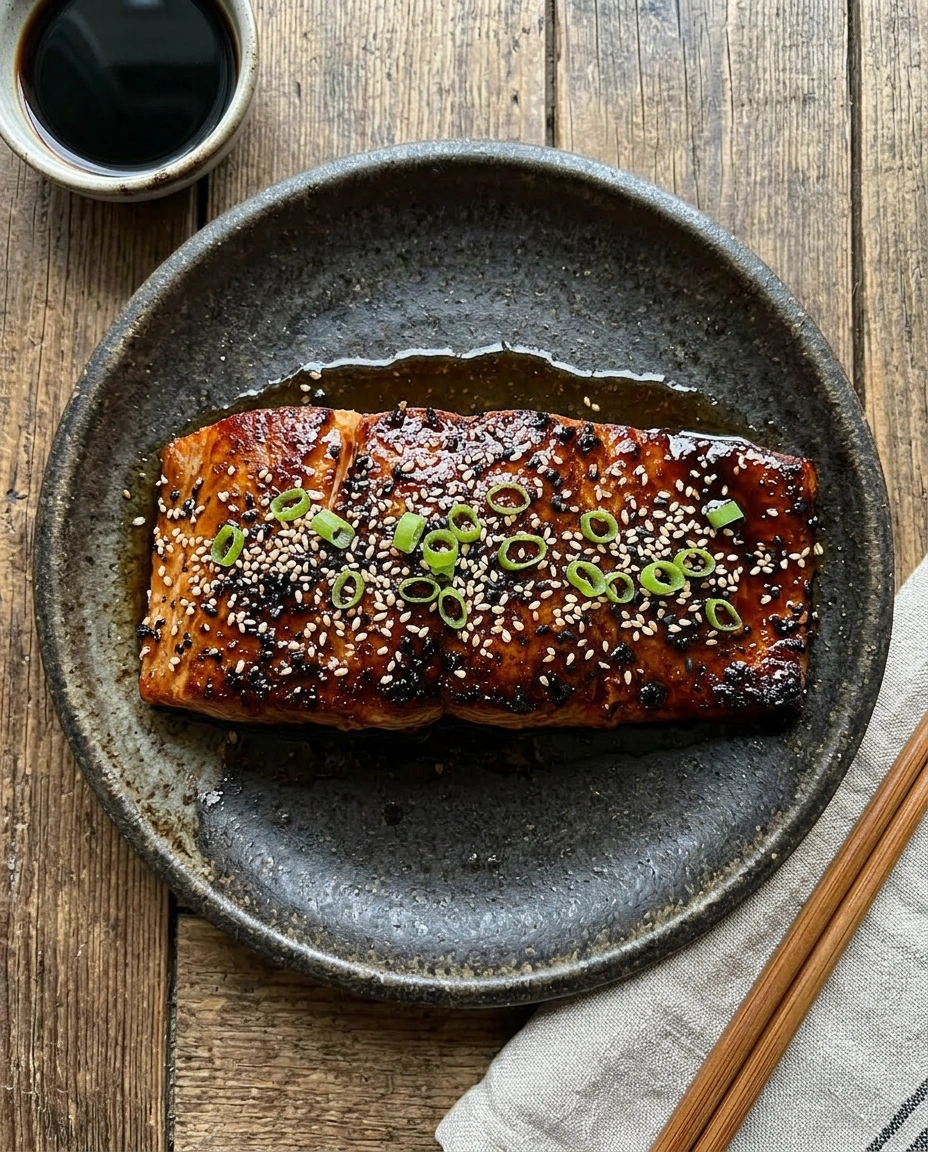
Grilled Teriyaki Salmon
Ingredients
Equipment
Method
- In a small saucepan over medium heat, combine soy sauce, mirin, sake, honey, garlic, and ginger. Simmer for 6–8 minutes until slightly thickened. Remove from heat and stir in sesame oil and rice vinegar. Divide into two portions.
- Remove salmon from the refrigerator 15–20 minutes before cooking. Pat dry thoroughly, brush lightly with oil, and season with salt and pepper.
- Preheat the grill to medium-high (400–425°F). Clean and oil the grates well.
- Place salmon skin side down on the grill. Cook for 4–5 minutes without moving until the skin is crisp and releases easily.
- Flip the salmon once and cook for another 2–3 minutes until nearly done.
- Brush the salmon with the basting glaze during the final 2 minutes, allowing it to caramelize. Flip briefly if needed to coat both sides.
- Transfer to a plate and rest for 2 minutes. Drizzle with reserved glaze and garnish with sesame seeds and sliced scallions before serving.