
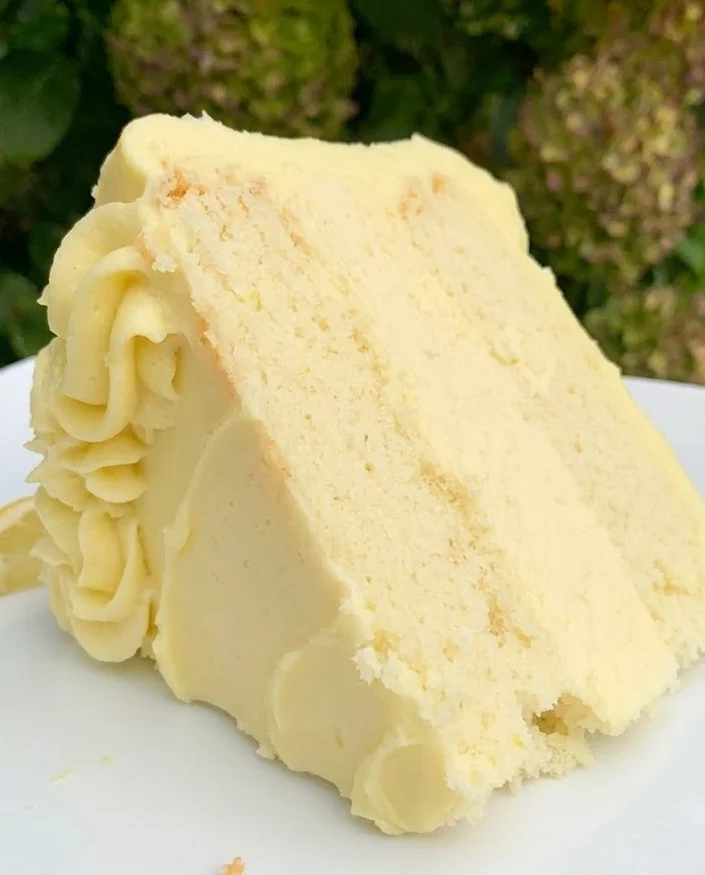
Some dessert recipes are good. Some are memorable. And then there is this Lemon Cheesecake Cake — the kind of dessert that earns requests for birthdays three years in a row and makes people set down their forks just to say something about it.
This is not a standard layer cake with a swipe of frosting. It is a three-layer architectural achievement: two moist lemon buttermilk cake layers on the outside, a fully baked and chilled lemon cheesecake layer in the middle, and a lemon cream cheese frosting that pulls the entire structure together. Every single element contributes both flavor and function, and the result is something that genuinely cannot be compared to anything simpler.
If you have been searching for a dessert recipe cake that doubles as a conversation piece, one that balances the brightness of citrus with the deep richness of cheesecake, this is it.
Why You’ll Love This Dessert Recipe
This cake is the answer to a question anyone who loves both lemon cake and cheesecake has quietly asked themselves at some point: why choose? The cheesecake layer adds a density and tangy creaminess that no amount of frosting can replicate, while the lemon buttermilk layers keep the whole dessert feeling light and fresh rather than heavy.
It is also one of those dessert recipes cake bakers return to for every important occasion. It works for Easter, spring birthdays, Mother’s Day, bridal showers, and summer dinner parties. The pale yellow color of the frosting and the clean citrus flavor make it feel seasonal and special no matter when you serve it.
For a dessert recipe that serves fifteen people comfortably, looks absolutely stunning on a cake stand, and delivers something genuinely unique, this is an outstanding investment of an afternoon in the kitchen.
Common Mistakes (And How to Avoid Them)
Over-mixing the cake batter. The lemon buttermilk cake layers rely on a careful balance of gluten development. Once you start alternating the wet and dry ingredients, keep the mixer at medium speed and stop as soon as everything is just combined. Over-mixing creates a tough, rubbery crumb instead of the soft, tender texture this cake deserves.
Not chilling the cheesecake long enough. The cheesecake layer must be fully cold and firm before you attempt to remove it from the springform pan and stack it onto the cake. If it is even slightly warm or soft in the center, it will crack, collapse, or slide when you try to assemble the cake. Plan for a minimum of two to three hours in the freezer, or overnight in the refrigerator.
Using cold cream cheese for the frosting. The lemon cream cheese frosting needs to be smooth and lump-free. Cold cream cheese does not blend properly with butter — it creates a grainy, lumpy frosting that is difficult to spread. However, you also do not want it fully room temperature or it becomes too soft to pipe cleanly. Aim for slightly cool but pliable.
Skipping the crumb coat. Because this cake has three distinct layers including a dense cheesecake center, the structure can be unstable during frosting. Always apply a thin crumb coat first, freeze the whole cake for fifteen minutes to lock everything in place, and then apply the final layer of frosting. This is the step that separates a clean, professional-looking finish from a messy one.
Not knowing your oven temperature. This dessert recipe involves two separate baking processes at two different temperatures — 300°F for the cheesecake layer and 350°F for the cake layers. An oven that runs hotter or cooler than its display suggests will ruin one or both. An inexpensive oven thermometer is essential here and worth every cent.
Chef’s Notes
Make the cheesecake layer first — ideally the day before. It needs significant time to bake, cool gradually in the oven, and then chill until completely firm. Trying to rush this step on the same day you bake the cake layers creates unnecessary stress and increases the risk of a soft, unstable cheesecake.
Use the water bath method even if it feels intimidating. Placing a pan of hot water on the rack below the cheesecake creates a humid oven environment that prevents the surface from cracking and promotes even, gentle baking throughout. You do not need to wrap the springform pan in foil for this method — simply position the water pan one rack below.
Do not open the oven door during the first hour of cheesecake baking. Temperature fluctuations are the primary cause of cracked cheesecake. Once the 45-minute baking time is complete, turn off the oven and leave the cheesecake inside with the door slightly open for another 30 minutes before removing it. This gradual temperature drop is what keeps the surface intact and beautiful.
If your cheesecake layer turns out slightly larger in diameter than your cake layers, do not panic. Simply trim the excess with a hot knife wiped clean between each pass. Heat the knife blade under hot running water, dry it quickly, and the cheesecake will cut cleanly without crumbling.
Key Ingredients
Full-fat block cream cheese appears in both the cheesecake layer and the frosting and is the ingredient that defines this entire dessert recipe. It must be block-style and full-fat — reduced-fat cream cheese contains more moisture, which prevents the cheesecake from setting properly and makes the frosting too thin and runny to hold its shape on the cake.
Buttermilk is the liquid backbone of the lemon cake layers. Its natural acidity reacts with the baking soda in the batter to create a fine, tender crumb with a subtle tang that complements the lemon flavor without competing with it. If you do not have buttermilk, you can make a reliable substitute by adding one tablespoon plus one teaspoon of lemon juice or vinegar to a measuring cup and filling it to the 1¼ cup mark with whole milk.
Cake flour produces a noticeably softer, more delicate crumb than all-purpose flour. Its lower protein content means less gluten development, which is exactly what you want in a cake layer that needs to be tender enough to contrast with the dense cheesecake center. If you only have all-purpose flour, substitute by removing two tablespoons per cup and replacing them with cornstarch.
Lemon extract drives the lemon flavor throughout all three components — the cheesecake, the cake layers, and the frosting. Fresh lemon juice and zest add brightness and aroma, but extract provides the concentrated, consistent citrus flavor that carries through baking without fading. Using both is the approach that makes this dessert recipe taste unmistakably and boldly like lemon at every level.
Sour cream in the cheesecake layer adds a subtle tang and contributes to a creamy, dense but smooth texture. It also helps the cheesecake hold moisture during baking, preventing the dry, grainy texture that plagues cheesecakes made without it.
Unsalted butter goes into both the cake layers and the frosting. In the cake, it is creamed with sugar to create the light, fluffy base of the batter. In the frosting, it provides structure and richness. Using unsalted butter in both applications gives you complete control over the salt level throughout this layered dessert recipe.
How to Make Lemon Cheesecake Cake
Step 1: Bake the cheesecake layer. Preheat the oven to 300°F. Place a 9×13 pan filled with one inch of water on the lower oven rack. Line a 9-inch springform pan with parchment. Beat the softened cream cheese until smooth, then add sugar, salt, and flour at low speed. Add lemon extract and sour cream, mix until incorporated. Add the eggs one at a time. Pour into the prepared pan and bake on the rack just above the water for 45 minutes.
Step 2: Cool the cheesecake slowly. Turn off the oven and leave the cheesecake inside with the door slightly open for 30 minutes. Then remove it and allow it to cool completely on the counter. Cover with foil and freeze for 2 to 3 hours, or refrigerate overnight until completely firm.
Step 3: Mix the dry ingredients for the cake. Preheat the oven to 350°F. Grease and flour two 9-inch round cake pans. In a medium bowl, whisk together the cake flour, baking powder, baking soda, salt, and lemon zest for 30 seconds.
Step 4: Mix the wet ingredients. In a separate bowl, combine the buttermilk, vegetable oil, lemon juice, and lemon extract. Set aside.
Step 5: Cream the butter and sugar. In the bowl of a stand mixer, beat the softened butter until smooth. Add the sugar gradually and beat on medium speed for 3 to 5 minutes until the mixture is pale and fluffy. Add the eggs one at a time, mixing until the yolk disappears between each addition.
Step 6: Combine and bake. Alternately add the flour mixture and buttermilk mixture to the butter, beginning and ending with the dry ingredients — three additions of dry, two of wet. Do not exceed medium speed and do not over-mix. Divide between the two prepared pans and bake at 350°F for 20 to 24 minutes, until a toothpick comes out clean. Cool in the pans for 10 to 15 minutes before turning out onto a wire rack.
Step 7: Make the frosting. Beat the slightly softened butter until smooth. Add the cream cheese in pieces and beat until fully blended. Add the lemon extract and optional zest. Gradually beat in the powdered sugar until the frosting is smooth, light, and spreadable.
Step 8: Assemble the cake. Place the first lemon cake layer on your cake board or pedestal. Spread with a thin layer of frosting. Run a hot knife around the inside of the springform pan to release the cheesecake, then carefully place it upside down onto the cake layer. Remove the parchment. Spread a thin layer of frosting over the cheesecake surface, then top with the second lemon cake layer.
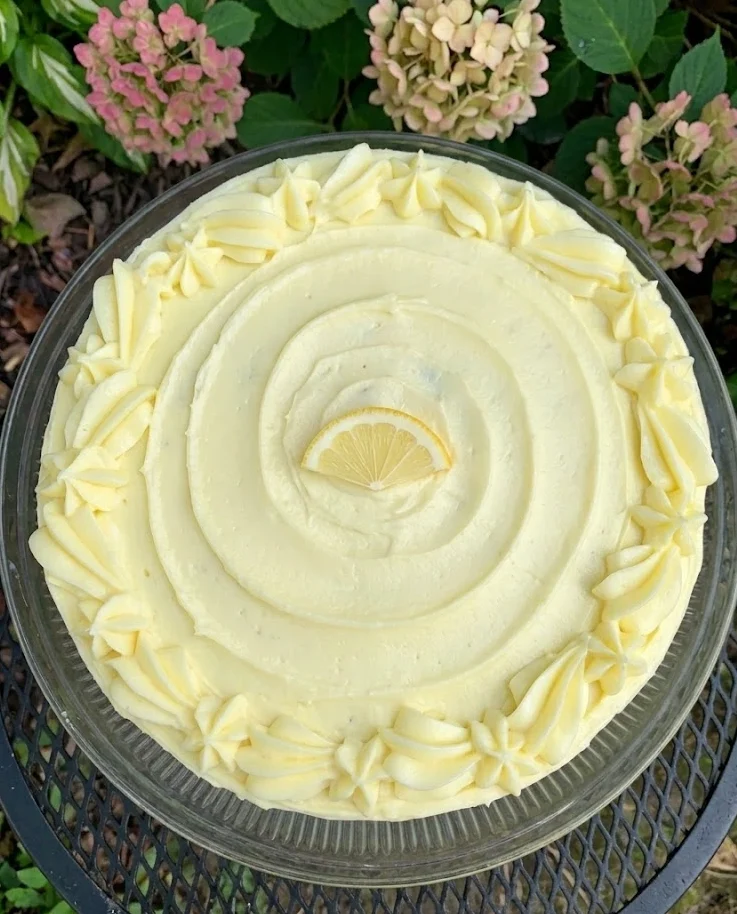
Step 9: Frost and finish. Apply a thin crumb coat of frosting all over the assembled cake. Freeze for 15 minutes. Apply the final, thicker coat of frosting and smooth using a bench scraper. Decorate as desired — ridges made with a small offset spatula and piped borders create the classic finish. Refrigerate until ready to serve.
Variations and Tips
Make it with a lemon cake mix. If you need to simplify, a quality lemon cake mix — prepared according to the doctored cake mix method with added buttermilk and sour cream — produces a very respectable set of cake layers with significantly less effort. The cheesecake layer and frosting remain the same.
Add a raspberry layer. Spread a thin layer of seedless raspberry jam directly onto the cheesecake before placing the top cake layer. The tartness of the raspberry against the lemon cheesecake creates a flavor combination that is extraordinary.
Make it as a sheet cake. Bake both components in a 9×13 format and layer them directly in the pan — cheesecake on the bottom, cake layer on top — for a simpler, party-style presentation that requires no frosting technique whatsoever.
Swap lemon for lime or orange. The entire recipe adapts easily to other citrus. Key lime extract and zest creates a Key lime cheesecake cake that is equally impressive. Blood orange produces a beautiful pale blush color throughout the frosting and layers.
Add a fresh fruit garnish. Fresh sliced strawberries, raspberries, or lemon curd dolloped over the top of the finished cake transform the presentation and add a bright, seasonal freshness that cuts through the richness of the cream cheese frosting.
How to Meal Prep
This dessert recipe is actually structured for advance preparation by design. The cheesecake layer should always be made at least one day ahead — this is not optional for quality, it is essential. A cheesecake that has chilled overnight is easier to handle, firmer, cleaner to cut, and less prone to cracking during assembly.
The lemon cake layers can also be baked a day in advance, wrapped tightly in plastic wrap, and stored at room temperature overnight. The frosting can be made ahead and refrigerated in an airtight container for up to three days. When you are ready to use it, allow it to soften slightly at room temperature, then remix briefly before applying — do not microwave it, as this causes the butter and cream cheese to separate unevenly.
The fully assembled cake keeps beautifully in the refrigerator for up to three days. Store it loosely covered or in a cake carrier to prevent the frosting from absorbing refrigerator odors. Allow it to sit at room temperature for 30 to 45 minutes before serving — cold cream cheese frosting and cold cheesecake are denser and less flavorful than they are at a slightly warmer temperature.
Cultural Context
The cheesecake cake — a layer cake with a baked cheesecake center — is a distinctly American dessert invention that grew out of the country’s deep love for both formats individually. Cheesecake itself has ancient roots, traced back to ancient Greece and later popularized in New York in the early 20th century when cream cheese became commercially available. The American layer cake, with its tall stacked rounds and generous frosting, has been a celebration staple since the Victorian era when chemical leaveners like baking soda and baking powder became widely accessible in home kitchens.
The marriage of the two — nesting a fully baked cheesecake layer inside a frosted layer cake — emerged as home bakers and food bloggers began pushing the boundaries of what a celebration cake could be in the early 2000s. The format rewards planning and technique, and the dramatic reveal of three distinct layers when the cake is sliced has made it enormously popular as a visual dessert recipe across Pinterest and food media.
The lemon version carries particular appeal because lemon is one of the few flavors that works equally well in both cheesecake and sponge cake without either element overwhelming the other. The citrus acts as a unifying thread that makes all three layers — cake, cheesecake, and frosting — feel like parts of a coherent and intentional whole rather than separate components forced together. That coherence is exactly what elevates this from a novelty dessert recipe into a genuine classic.
Lemon Cheesecake Cake
Ingredients
Equipment
Method
- Preheat oven to 300°F. Prepare a springform pan and bake the cheesecake mixture until set, about 45 minutes.
- Cool cheesecake gradually, then chill or freeze until completely firm before handling.
- Preheat oven to 350°F and prepare two cake pans. Mix dry ingredients including flour, leavening, salt, and zest.
- Mix buttermilk, oil, lemon juice, and extract in a separate bowl.
- Cream butter and sugar, then add eggs one at a time until smooth and fluffy.
- Alternate adding dry and wet ingredients, then bake cake layers for 20–24 minutes and cool completely.
- Prepare frosting by beating butter and cream cheese, then adding powdered sugar and lemon flavoring until smooth.
- Assemble cake by layering cake, cheesecake, and frosting, then stack final cake layer on top.
- Apply crumb coat, chill briefly, then frost fully and decorate before serving.