
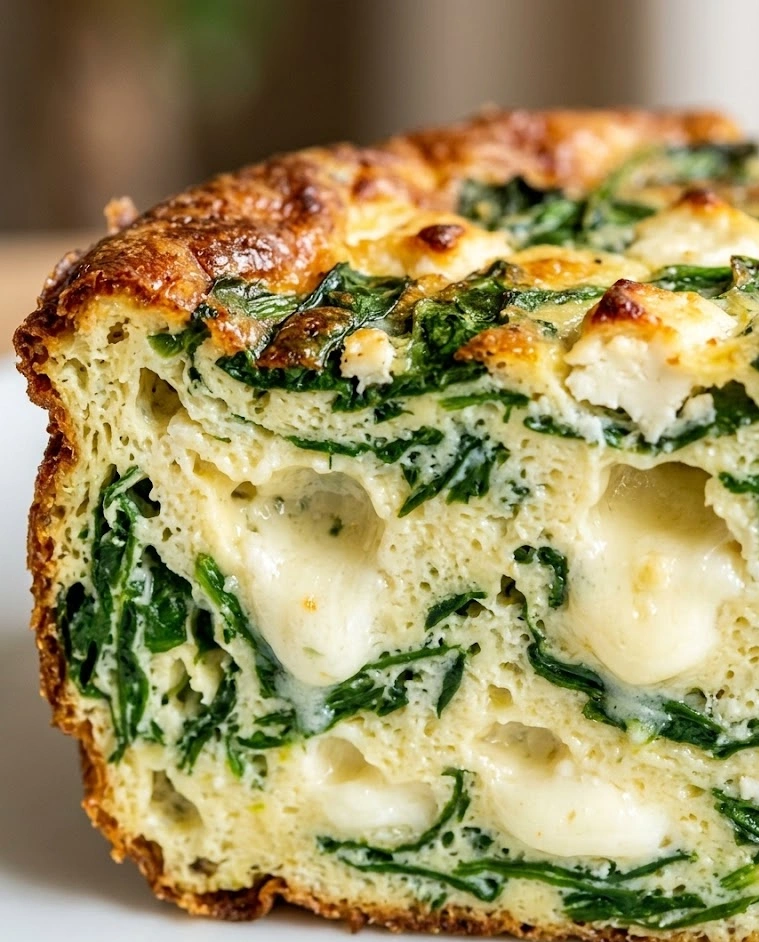
There is a category of spring dinner ideas that deserves far more attention than it typically gets — the kind of dinner that is simultaneously fast, beautiful, nutritious, deeply satisfying, and impressive enough to serve to guests without a moment of anxiety. The Spinach Frittata With Feta Cheese lives at the very top of that category, and once you make it, you’ll wonder how it wasn’t already the centerpiece of your weekly spring dinner rotation.
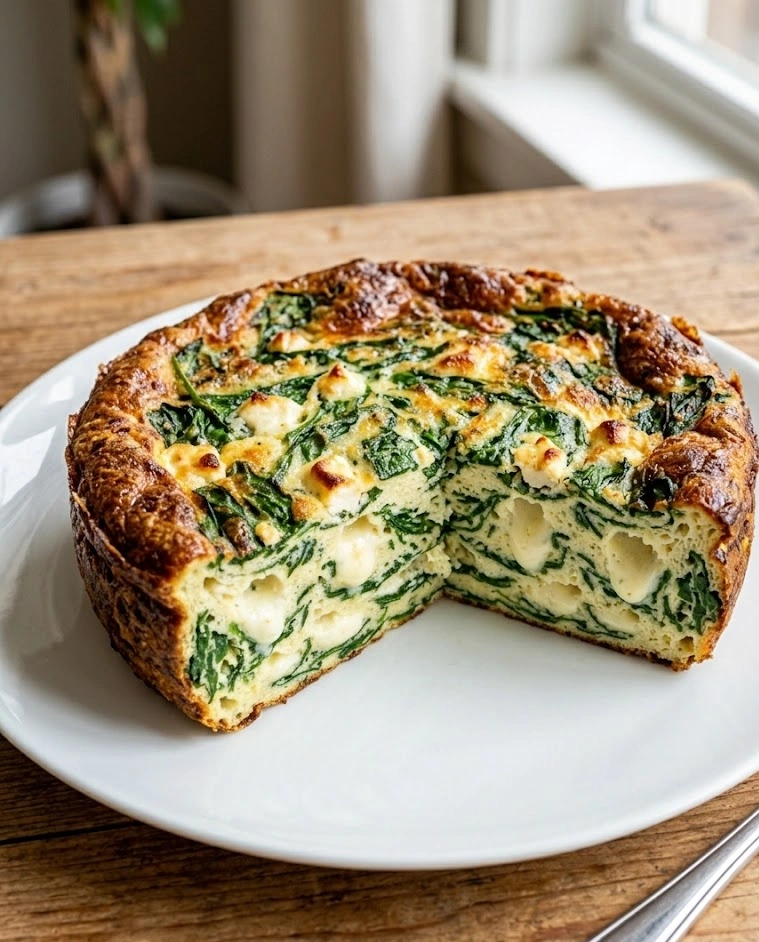
A frittata is Italy’s answer to the question of what to do with beautiful ingredients, a good pan, and thirty minutes. Think of it as a crustless quiche — eggs enriched with a little cream, loaded generously with wilted spinach, crumbled creamy feta, and sweet roasted cherry tomatoes, finished in the oven until puffed, golden, and set into the most gorgeous thing you’ve ever pulled out of a cast iron skillet. It slices like a dream, serves a crowd without effort, and tastes as good at room temperature as it does straight from the oven.
This is a spring dinner idea that works on a Tuesday night, at a Sunday brunch, packed into a meal prep container, or sliced cold over a green salad the next day. One skillet. Thirty minutes. Endless joy. Let’s get into it.
Why You’ll Love This Spinach Frittata With Feta Cheese
This recipe earns a permanent place in your spring dinner ideas lineup — and here is precisely why:
- On the table in 30 minutes — stovetop to oven, start to finish, without rushing or shortcuts.
- One pan, zero stress — everything happens in a single oven-safe skillet. Minimal cleanup, maximum reward.
- Naturally gluten-free — no flour, no crust, no substitutions needed. It’s gluten-free by definition and proud of it.
- Infinitely versatile — change the vegetables, change the cheese, change the herbs, and you have an entirely different dinner. The frittata is the most adaptable recipe in your arsenal.
- Works hot, warm, or cold — unlike most cooked egg dishes that are sad after five minutes, a frittata is genuinely excellent at every temperature, making it the ultimate meal prep and entertaining recipe.
Common Mistakes — And How to Avoid Them
A frittata is forgiving by nature, but a few missteps will still stand between you and perfection. Here’s how to avoid every one of them.
Using too many eggs without enough dairy. A frittata needs a ratio of about one tablespoon of cream, milk, or Greek yogurt per two eggs to achieve that custardy, tender interior rather than a rubbery, bouncy one. The dairy isn’t optional — it’s the difference between a frittata that melts in your mouth and one that feels like a squeaky egg disc.
Cooking the spinach with too much moisture remaining. Fresh spinach is about 92% water, and all of that water will weep into your frittata if you don’t cook it down properly first. Sauté the spinach until completely wilted, then press it firmly with the back of a spoon or a clean kitchen towel to squeeze out every drop of excess liquid before adding it to the egg mixture. Wet spinach = watery, soggy frittata.
Starting in a cold pan. The initial stovetop heat is what sets the bottom and edges of the frittata and gives it that beautiful golden crust. Starting in a cold pan means your eggs spread too thin and cook unevenly before the oven gets involved. Always heat your oil or butter in the skillet until it shimmers and a drop of egg sizzles the moment it hits the surface.
Overcooking in the oven. The most common frittata failure by a significant margin. A perfectly cooked frittata comes out of the oven when the center still has a very slight wobble — it will finish cooking from residual heat in the pan during the resting period. An overcooked frittata is dry, rubbery, and cracked across the surface. When in doubt, pull it out one minute early.
Cutting it immediately. Let the frittata rest in the pan for 5 full minutes after coming out of the oven. This resting period allows the egg to fully set in the center, makes slicing dramatically cleaner, and — just as with rested meat — results in a far more tender, cohesive texture than cutting straight from the oven.
Chef’s Notes
The insider details that make this spring dinner idea genuinely extraordinary:
- Season the eggs assertively. Eggs are a blank canvas and they need salt far more than most people give them. Season the egg mixture generously before it goes into the pan, and taste a tiny drop before adding. It should be noticeably well-seasoned — the salt level will mellow once baked.
- Use a well-seasoned cast iron or oven-safe nonstick skillet. Cast iron retains heat beautifully, creates an incomparable golden crust on the bottom and edges, and goes from stovetop to oven in seconds. A 10-inch skillet is the ideal size for a 6–8 egg frittata serving four people.
- Bloom the garlic in butter, not oil. Butter carries garlic’s aromatic compounds more effectively than olive oil at the temperature used here, and the result is a deeper, more rounded garlic flavor that perfumes the entire frittata without any sharpness.
- Add feta in two stages. Fold half into the egg mixture before pouring so it distributes through every bite, and crumble the other half on top just before the pan goes into the oven. The top layer bakes into golden, slightly crispy feta pieces that are the single most irresistible thing about this entire dish.
- A pinch of nutmeg in the egg mixture. It sounds old-fashioned but it works — a tiny amount of freshly grated nutmeg in eggs with spinach is a classic French technique that adds a warmth and depth that nobody can identify but everyone notices.
Key Ingredients — And Why They Matter
Eggs are the entire architecture of this dish. Use the best eggs you can find — free-range, pasture-raised eggs have richer, more deeply golden yolks that produce a frittata with significantly better color, flavor, and texture than standard supermarket eggs. This is one of those recipes where the quality of a single ingredient changes the entire result.
Fresh Baby Spinach is the spring vegetable that makes this a true seasonal spring dinner idea. Baby spinach is tender, sweet, and wilts down to almost nothing — a full 5-ounce bag reduces to barely a cup after cooking, which is why you need more than you think. Fresh is essential here; frozen spinach carries too much water and a dull, flat flavor even when thoroughly squeezed.
Feta Cheese brings the creamy, salty, tangy richness that makes this frittata memorably Greek and Mediterranean in character. As always with feta, buy the block packed in brine and crumble it yourself. Its moisture content and flavor are incomparably superior to pre-crumbled, and in a dish this simple, it makes all the difference.
Cherry Tomatoes roasted or blistered in the pan before the eggs go in add a jammy, concentrated sweetness that counterbalances the savory eggs and salty feta beautifully. Their slightly caramelized edges and burst-open interiors create pockets of intense flavor distributed throughout the frittata that make every slice different and delightful.
Heavy Cream or Greek Yogurt is the key to a tender, custardy frittata rather than a rubbery one. Heavy cream produces the most luxurious result. Greek yogurt delivers a lighter, slightly tangy alternative that works beautifully and adds a gentle protein boost. Either produces excellent results — choose based on what’s in your refrigerator.
Fresh Herbs — Dill, Parsley, and Chives give this frittata its distinctly spring character. Dill in particular is a magical pairing with eggs, spinach, and feta — it brings a bright, slightly anise-like freshness that is classically Greek and makes the whole dish taste unmistakably of the season. Use all three herbs generously if you have them, or lean heavily on whichever you have available.
Garlic and Shallots form the aromatic foundation. Shallots are milder and sweeter than onions and integrate into the egg more seamlessly, creating background sweetness rather than a sharp allium punch. Combined with gently bloomed garlic, they give the frittata a savory depth that makes it taste like it cooked for far longer than thirty minutes.
How to Make Spinach Frittata With Feta Cheese
Ingredients (Serves 4–6)
- 8 large eggs
- 3 tbsp heavy cream or full-fat Greek yogurt
- ¾ tsp salt
- ¼ tsp black pepper
- Pinch of freshly grated nutmeg
- 5 oz (140g) fresh baby spinach
- ¾ cup (115g) feta cheese, crumbled from a block — divided
- 1 cup (150g) cherry tomatoes, halved
- 2 shallots, thinly sliced
- 3 cloves garlic, thinly sliced
- 2 tbsp unsalted butter
- 1 tbsp olive oil
- 2 tbsp fresh dill, roughly chopped
- 2 tbsp fresh flat-leaf parsley, roughly chopped
- 1 tbsp fresh chives, finely sliced
- Extra fresh herbs and flaky sea salt, to finish
Instructions
- Preheat the oven to 375°F (190°C). Position a rack in the center of the oven.
- Whisk the egg mixture. In a large bowl, whisk together the eggs, heavy cream, salt, pepper, and nutmeg until fully combined and slightly frothy — about 60 seconds of enthusiastic whisking. Fold in the fresh dill, parsley, and chives, and half of the crumbled feta. Set aside.
- Cook the aromatics. Heat the butter and olive oil together in a 10-inch oven-safe skillet — cast iron is ideal — over medium heat until the butter melts and begins to foam. Add the shallots and cook, stirring occasionally, for 3–4 minutes until softened and translucent. Add the garlic and cook for another 60 seconds until fragrant and just beginning to turn golden.
- Blister the tomatoes. Add the halved cherry tomatoes to the pan cut-side down. Cook undisturbed for 2–3 minutes until they blister, caramelize on the cut side, and begin to soften. Season with a small pinch of salt. Push them to the edges of the pan.
- Wilt the spinach. Add the baby spinach to the pan in two or three batches, turning with tongs and waiting for each batch to wilt before adding the next. Once fully wilted, press the spinach firmly with the back of a spoon to push out as much moisture as possible. Distribute the spinach, tomatoes, and aromatics evenly across the pan.
- Pour in the egg mixture. Reduce heat to medium-low. Pour the egg mixture evenly over the vegetables in the pan. Let it cook undisturbed on the stovetop for 2–3 minutes until the edges are just beginning to set and turn opaque — the center should still be completely liquid.
- Add the top feta layer. Crumble the remaining feta over the surface of the frittata in generous visible pieces. Add a few extra cherry tomato halves on top if you have them — purely for beauty, and it works.
- Transfer to the oven. Carefully slide the skillet into the preheated oven. Bake for 12–15 minutes until the frittata is puffed, golden at the edges, and set across the surface with just the faintest wobble remaining in the very center.
- Rest and finish. Remove from the oven and let rest in the pan for 5 full minutes. Scatter extra fresh herbs over the top and finish with a pinch of flaky sea salt. Slice into wedges directly from the pan and serve with a simple green salad and warm crusty bread.
Variations & Tips
Make it with roasted vegetables. Swap the cherry tomatoes for any roasted spring vegetable — asparagus tips, zucchini, broccolini, peas, or leeks all work beautifully. Roast them on a sheet pan at 425°F for 15 minutes before adding to the skillet for maximum caramelized flavor and minimal moisture.
Make it dairy-free. Replace the cream with full-fat coconut milk — its richness works surprisingly well with the Mediterranean flavor profile — and substitute a dairy-free feta alternative or simply omit the cheese and replace it with toasted pine nuts and an extra generous hit of fresh herbs and a drizzle of good olive oil.
Make it heartier for a full spring dinner. Add ½ cup of cooked, drained white beans or chickpeas folded into the egg mixture for a protein and fiber boost that makes this feel like a truly complete and deeply satisfying spring dinner rather than a light meal.
Add a grain base. Scatter ½ cup of cooked farro, quinoa, or orzo across the bottom of the pan before pouring in the egg mixture. It creates an almost-crustless-quiche effect with a nutty, hearty base layer that makes the frittata substantially more filling.
Make individual frittatas. Pour the mixture into a greased 12-cup muffin tin for perfectly portioned individual frittatas — ideal for meal prep, lunchboxes, and spring brunches where people serve themselves at their own pace. Reduce bake time to 10–12 minutes.
Pro tips:
- Run a flexible spatula around the edge of the frittata before slicing to make sure it releases cleanly from the pan and slides out in perfect wedges.
- A frittata sliced cold from the refrigerator the next day, laid over dressed arugula with a drizzle of olive oil and a squeeze of lemon, is one of the finest quick lunches that exists.
- Never cover a frittata while it’s resting — the trapped steam makes the top surface weep and go soggy. Rest it uncovered, always.
How to Meal Prep
The Spinach Frittata With Feta Cheese is one of the most practical and genuinely delightful spring dinner ideas to build a week of meals around — and the logic is beautifully simple. Make one full frittata on Sunday and your breakfasts, lunches, and light dinners for the next four days essentially take care of themselves.
Once fully cooled, slice the frittata into wedges and store in an airtight container in the refrigerator for up to 4 days. It reheats gently and perfectly in a skillet over low heat for 2–3 minutes per side, or in a 300°F oven for 8–10 minutes wrapped loosely in foil. For the best texture, avoid the microwave if possible — it tends to make the eggs rubbery and releases moisture that softens the beautiful golden crust.
For the most versatile meal prep strategy, make two frittatas at once using two skillets or back to back — one to eat warm that evening as a spring dinner, and one to cool completely, slice, and portion into containers for the week ahead. Add a different salad or grain alongside each day to keep the meals varied and interesting without any additional cooking. The frittata stays the constant; everything around it rotates.
Cultural Context: The Frittata and the Italian Art of Simple Perfection
The frittata is one of Italy’s great culinary gifts to the world — a dish so simple, so versatile, and so deeply satisfying that it has endured unchanged in Italian home kitchens for centuries while traveling effortlessly into the food cultures of virtually every country that has encountered it. The word itself comes from the Italian friggere, meaning to fry, and its origins lie in the practical, ingenious cucina povera tradition — the “poor kitchen” cooking of Italian peasants who transformed the humblest available ingredients into dishes of extraordinary flavor and elegance.
In Italy, a frittata is not a breakfast food, a brunch food, or a lunch food. It is simply food — eaten at any hour, in any season, with whatever the garden and the refrigerator offer. Cold frittata slices are a beloved Italian packed lunch, tucked into bread as a panino. Leftover frittata appears on the dinner table alongside a simple salad with zero ceremony and total satisfaction. The frittata does not concern itself with categories or meal occasions — it simply shows up, tastes magnificent, and refuses to be anything other than exactly what it is.
The spinach and feta combination that anchors this particular frittata draws equally on the Greek spanakopita tradition — the beloved spinach and feta phyllo pie — and the broader Mediterranean love affair between leafy greens, sheep’s milk cheese, and fresh eggs that runs through Italian, Greek, Turkish, and Levantine cooking simultaneously. These flavor combinations exist across so many cultures because they emerged independently from the same ingredients, the same seasons, and the same intuitive understanding of what tastes good together.
Spring is frittata season above all others — the moment when the spinach is young and sweet, the herbs are bursting from the garden, and the eggs from well-kept backyard hens are at their most vibrant golden richness. This Spinach Frittata With Feta Cheese honors all of that tradition while making itself perfectly at home in a modern weeknight kitchen, a spring dinner table, or a meal prep container headed to work on a bright April morning. Simple food. Beautiful food. The best kind of food.
Spinach Frittata With Feta Cheese
Ingredients
Equipment
Method
- Preheat oven to 375°F (190°C) and position rack in the center.
- Whisk eggs, heavy cream, salt, pepper, and nutmeg until slightly frothy. Fold in dill, parsley, chives, and half of the feta. Set aside.
- Heat butter and olive oil in a 10-inch oven-safe skillet over medium heat. Add shallots and cook 3–4 minutes until softened. Add garlic and cook 1 minute until fragrant.
- Add cherry tomatoes cut-side down and cook 2–3 minutes until blistered and slightly caramelized. Season lightly with salt.
- Add spinach in batches, allowing it to wilt fully. Press out excess moisture and distribute vegetables evenly across the pan.
- Reduce heat to medium-low and pour egg mixture evenly over vegetables. Cook undisturbed 2–3 minutes until edges begin to set.
- Crumble remaining feta over the top in visible pieces.
- Transfer skillet to oven and bake 12–15 minutes until puffed and just set with a slight wobble in the center.
- Rest 5 minutes before slicing. Finish with extra fresh herbs and flaky sea salt before serving.