Three Sisters Soup Recipe That You’ll Love

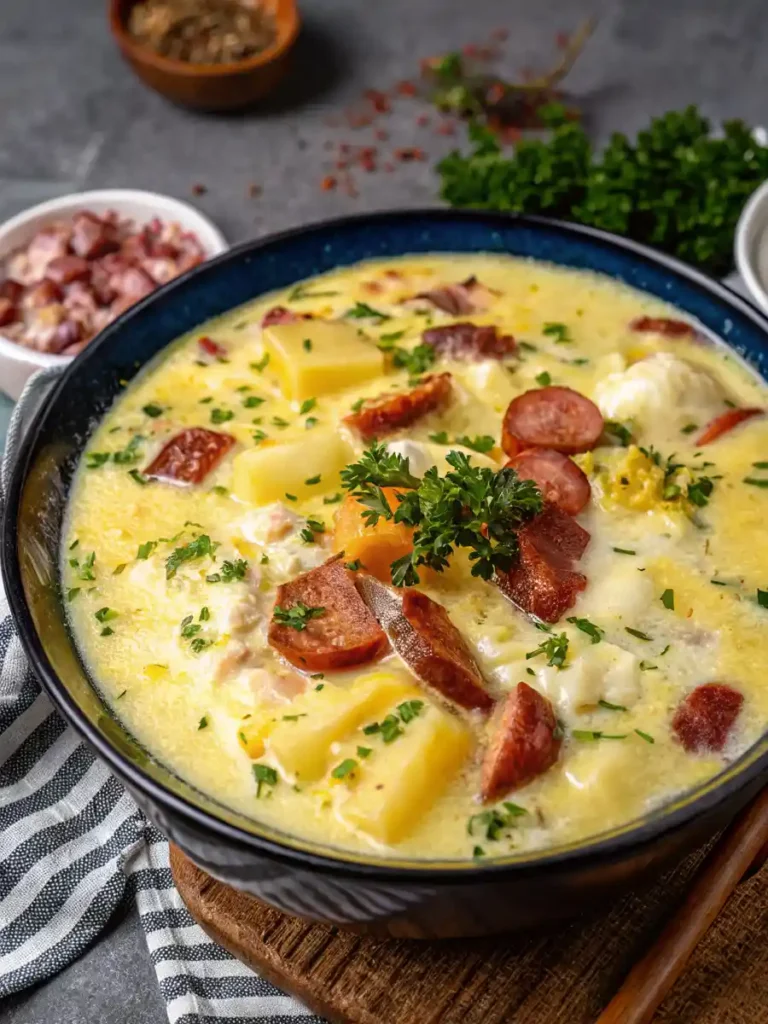
Bowl of Three Sisters Soup Recipe made with corn, squash, and beans.

There’s really nothing like Three Sisters Soup Recipe when the weather gets nippy and you’re craving something wholesome. I mean, who hasn’t had one of those “what-am-I-gonna-cook” moments standing in the kitchen shivering? This one’s saved me more than once. It’s kind of like a hug in a bowl, and honestly, sometimes you want something a little more than just plain broth—this has got heart and history too. If you’re into all the cozy, earthy fall flavors, you should probably also check out my favorite Creamy Roasted Pumpkin Soup, but anyway, back to the sisters. Three Sisters Soup Recipe Celebrates the Fall Harvest Let’s just say, Three Sisters Soup Recipe isn’t your average quick fix—this baby honors tradition. It’s named for corn, beans, and squash (the “three sisters”), all grown together for centuries by Native cultures in North America.  You take a spoonful and suddenly, you feel like you’ve wandered into a late autumn festival, and definitely not in a bad way! Every family has their spin on this soup, but at the heart, it’s about using what you’ve got from the garden. That means it can change with the seasons or even with your pantry—got yellow squash instead of butternut? Go for it. Maybe you even toss in a handful of extra veggies if you’re feeling wild (I always sneak in carrots for some extra color, too). When you’re making this Three Sisters Soup Recipe, notice how everything just works together. There’s no single star, just a whole bunch of simple flavors, building something hearty and filling. Also, you’ll love that it’s naturally vegetarian, gluten-free, and honestly just plain healthy without trying too hard. Other folks even add a little smoked ham or bacon for a twist, but I like it old-school. Now, what really gets me is the aroma. One whiff, and the whole house smells like a harvest feast. I literally got stuck just hovering over the pot, inhaling. Embarrassing, but true. Key Ingredients Season  Health Benefits Fun Fact Corn Summer-Fall Rich in fiber and vitamins Ancient staple crop of the Americas Beans Year-Round Plant-based protein Fix nitrogen in the soil Squash Fall-Winter …

Continue Reading

Amazing 4 Fall Meal Prep Ideas You’ll Love

Amazing Fall Meal Prep

Fall meal prep is basically the only way I survive weekday dinners once September rolls around. Anyone else open the fridge on a chilly Tuesday and just stand there, thinking, “Ugh, I don’t wanna cook again already”? Honestly—been there, too many times. That’s why planning a stack of simple cozy recipes saves my brain (and my wallet). You don’t need to get fancy. Big flavors, easy steps, meals you’ll happily reheat once the sun’s gone before six. And hey, if you need a little quick inspiration, check out my go-to healthy chicken quesadilla meal prep—it saves my life come Thursday. Chickpea, Kale and Butternut Squash Salad If you want a fall meal prep that tastes cheffy but is secretly a breeze, this is it. Chickpea, kale, and butternut squash just scream autumn. Canned chickpeas keep it speedy, and if you buy pre-cut squash? Even better because who’s got time to wrestle with a whole gourd at 7pm? You roast the squash until it’s caramelized (that’s where the magic happens), toss with massaged kale (put Spotify on and just squish for a minute), add the chickpeas, then drizzle over your favorite dressing. Salty feta or sharp goat cheese on top is five-star restaurant stuff, trust me. Personally, my family eats this for days and nobody gets bored. I even throw in a few toasted pecans or dried cherries if we’re feeling posh. It’s hearty, it’s fresh, and it actually keeps well—so your Wednesday lunch isn’t sad salad mush. Plus, it fits in every container. Zero fuss, all the cozy. Here Is The Full Recipe: Chickpea Kale and Butternut Squash Salad Butternut Squash Lasagna Listen, plain lasagna is fine, but butternut squash lasagna? Now we’re talking rich, warm, next-level comfort food. This version swaps the meat for roasted butternut squash, and honestly, nobody ever complains. It feels lighter and cozier at the same time. You just mash up that roasted squash with a scoop of ricotta, then layer it with noodles and a simple tomato sauce (jarred is totally fine). A little fresh sage adds “wow” flavor—don’t skip it. Bake it up, let it set a little, slice, and stash in the fridge. I swear leftovers taste even better. My grandma, who’s not easily impressed, called it “better than any Italian restaurant in town.” If that’s not an endorsement, I don’t know what is. Seriously, make it on the weekend, then reap the rewards for three, even four dinners. Here Is The Full Recipe: Butternut Squash …

Continue Reading

Delectably Chewy Zucchini Cookies You’ll Love

Delicious zucchini cookies loaded with chocolate chips and spices.

Zucchini cookies sound weirdly irresistible, don’t they? I mean, let’s be real. You buy a couple of zucchini for dinner and the next thing you know, they’re still sitting in your fridge awkwardly staring at you. If you’re tired of the same old zucchini bread (though, this amazing moist zucchini bread recipe is worth bookmarking), let’s talk cookies. Soft, chewy, lightly sweet, and just sneaky enough for veggie haters. Ready to see how zucchini can turn basic cookies into something cozy and delicious? Success Tips for Using Zucchini in Cookies Here’s the honest truth: zucchini cookies can go badly if you treat zucchini like just any other mix-in. Don’t skip removing the extra water. I learned that the hard way—a soggy mess isn’t what you want. Grab a clean kitchen towel or even a few strong paper towels, and press that grated zucchini until it’s barely damp. This helps the cookies bake up soft, not mushy. Another thing, use the smaller holes on your grater so you don’t get big lumpy bites. I’m also a fan of sneaking in a little extra cinnamon. Makes your kitchen smell five-star level. And here’s my wildcard move: toss the zucchini with a bit of flour before adding it to the dough. Magic. “I never dreamed veggies could actually taste good in cookies. These are now my go-to for family BBQs—and nobody complains about eating their greens.” – Janet, real human and accidental zucchini fan Ingredient Notes and Substitutions For Zucchini Cookies Let’s keep this practical. You’ll need basic staples: flour, brown sugar, and a bit of cinnamon. Trust me, brown sugar is key for that chewiness—don’t swap it out unless you absolutely have to. If you’re out of eggs (yep, been there), a good flax egg works fine. Butter works best, but I’ve tested coconut oil and it’s not half bad. Chocolate chips? Always a yes. Chopped walnuts or pecans—if you like a crunch, toss them in. And don’t stress if you don’t have vanilla, just leave it out or add a dash of almond extract for a twist. One time I even tried golden raisins and, not to brag, but the cookies vanished so fast I barely got a taste. Preparation Steps for Soft Zucchini Cookies Okay, so you’re ready to bake. Start by grating your zucchini and squeezing out as much juice as possible. Beat your butter and sugar together until it looks fluffy. Add your egg (or egg substitute) and vanilla, mixing well. Now, stir in the zucchini. In a separate bowl, whisk flour, baking powder, cinnamon, and a pinch of salt. Add dry ingredients to wet—don’t overmix. Just till it comes together. Fold in your chocolate chips and nuts if you’re feeling fancy. I like dropping spoonfuls of dough onto the baking tray. You don’t need perfect balls. A little rustic never hurt anyone. Pop them in a moderate oven—think 350°F—for about 10-12 minutes. Chilling and Storing Zucchini Cookies Now, you could bake these straight after mixing, but I’ll tell you something game-changing. Chilling the dough for an hour (or, let’s face it, overnight if life gets busy) keeps the cookies from spreading into sad puddles. The flavor deepens, too. So worth the wait. As for leftovers—honestly, there rarely are. But if you’re lucky, keep zucchini cookies in a container with a tight lid. Room temp for a few days, or pop them in the freezer if you want to hang onto summer for a bit longer. Oh, and these actually taste even better the next day, no joke. If you are fan of cookies try this Summer Cookies: Easy …

Continue Reading

Simple and Sweet Bread and Butter Pickles You’ll Love

Bread and Butter Pickles being picked up from a Jar Using a Fork

Bread and butter pickles. Oh man, if you’re anything like me, you’ve eyed those pretty jars at the store and thought, “How hard could that be?” You slice into a dinner sandwich and suddenly think—these would be such a game-changer… if I could just make them myself, you know? That’s pretty much how I stumbled into this whole pickling adventure. If you want more old-school summer vibes in your kitchen (think of it like snacking on amazing moist zucchini bread straight from grandma’s counter), you’ve come to the right corner of the internet. How To Make Bread and Butter Pickles Okay, let’s get right to the heart of it. First things first—you’ll need fresh cucumbers. Not those waxy giants, either. Get the small, snappy ones, preferably from your own garden. I learned that the hard way after an early cucumber-pocalypse. Grab some onions and a few standard spices—think mustard seeds, celery seed, turmeric. White vinegar works fine. Thin-slice everything (I’m talking paper-thin if you can swing it) so the flavors dance together. Dump the cucumbers and onions in a big bowl, toss with salt, and let them sweat for about an hour. This part—honestly—makes them extra crisp. After the sweat session, rinse and drain them really well. Heat up the vinegar, sugar, and your spices till it smells like a county fair. Stir that all together with the cucumbers and onions. And then, just simmer. Don’t walk away though—seriously, I burnt mine the first time and the house reeked for days. Spoon them into clean jars while they’re hot. They’ll look bright and cheerful, like a jar of summer. The tricky part? Waiting. They’re best after a week in the fridge (I know, I know—it’s hard). Trust me though, it’s worth it. Tips for Canning Bread & Butter Pickles Wanna keep those bread and butter pickles longer than summer? Canning is your pal. Here comes truth time: don’t let the boiling water scare you. My neighbor once convinced me “it’s just like making pasta.” Sort of true, but a little noisier. Use fresh jars and lids, always. Your pickles will keep months and months this way—if you don’t eat them all. Make sure to sterilize your jars (I pop mine in a hot oven for a bit; old school, sure, but works). Always use a clean funnel so you’re not dropping bits everywhere. Remember to pack your pickles in tight, but not too snug. The hot brine needs some wiggle room to do its thing. Once your jars are filled, wipe the rims so the lids seal good and proper. Let me say this loud: don’t skip soaking your cucumbers in salt. It’s the golden rule for crispness. Soft pickles? That’s a sad sandwich right there. If you’re worried about the process, relax! The magic is in the details, not perfection. I’d never canned anything before last summer, but following these steps made it honestly fun—and my kids still beg for “Mom’s fancy pickles” on burgers. Steps for Canning Pickles It’s time to break it down plain and simple. Here we go. Let them cool overnight before you move them around. You’ll know they’re sealed if the lid is sucked down in the center. If not, eat those first (or, honestly, just eat them now). More Summery Recipes to Can Ready to ride the canning train straight through August? Me too—it’s kinda addictive. Here’s some easy stuff that works great alongside your bread and butter pickles (and keeps the picnic table feeling festive). Heck, try dessert too. If you like summer treats as much as I do, go for these fried strawberry cheesecake sandwiches. Trust me, happiness in every bite. Good planning is key to a successful vegetable garden No cucumbers, no pickles, right? Garden planning’s worth a quick chat—mostly because it’ll save you a world of frustration mid-July. Sketch the garden before you plant, even if it looks like a toddler doodle. Start cucumbers early, in a bright spot with rich dirt. We had loads of zucchini and cucumbers last summer just by watering regularly and mulching underneath to lock in that good moisture. Toss in a couple onions alongside the cucumbers so you don’t have to dash to the store at the last minute. Good fences (or, well, netting) will fend off the rabbits. Believe me—they turn into gourmet critter salad bars if you’re not careful. Take it from me: Label everything. I forgot once and ended up with a mystery squash that I still don’t have a name for. FAQs Do bread and butter pickles need to be refrigerated after opening?  Yep! Pop them in the fridge once you crack the jar—keeps the flavor sharp. How long will canned bread and butter pickles last?  Unopened, your bread and butter pickles can last a year (sometimes more), but once opened, aim for two months max. Can I use regular cucumbers instead of pickling cucumbers?  I mean… you can, but smaller pickling cucumbers stay crunchier. Regular ones work if you’re not going for five-star crunch. …

Continue Reading

Soft Classic Argentine Alfajores You’ll Love

Classic Argentine Alfajores filled with dulce de leche and rolled in coconut.

Classic Argentine Alfajores might be the dessert you never knew you needed but trust me, after just one bite you’ll be hooked. Ever crave something sweet, soft, and kinda nostalgic, but all you have is boring store-bought cookies? Ugh, been there. Baking these at home? Way easier than you’d expect. If you love trying international treats, here’s your invitation to make something truly unforgettable. And hey, for more global goodies, check out my post on “Dulce De Leche Flan” for another sweet adventure. Recipe Highlights Here’s the real deal: Classic Argentine Alfajores taste like heaven sandwiched between two crumbly, buttery cookies. I’m obsessed with their silky texture and creamy caramel center. They honestly feel like some kind of secret weapon for impressing friends or just treating yourself on a gloomy Tuesday (it happens). These cookies are soft enough to melt in your mouth, but sturdy enough to hold all that rich dulce de leche. The magic is totally in the dough – so don’t stress about fancy decorations. My biggest tip? Don’t skimp on chilling the dough and get generous with that filling. The balance is ridiculous (in a good way). You’ll feel like you’re biting into a little piece of Argentina… which, I mean, yes please. Understanding Alfajores and Their Origin Alfajores have deep roots in Argentina. I didn’t know this until I awkwardly brought a store-bought version to my Argentine friend’s party. She politely took it, then (with a smirk) handed me homemade Classic Argentine Alfajores. Let’s just say I never looked back. These cookies started in Spain, actually, but Argentinians made them iconic by adding dulce de leche. Eating alfajores is a whole vibe. In Argentina, you’ll find ‘em everywhere, from gas stations (yes, really) to fancy coffee shops. They’re a go-to treat with coffee or mate. It’s not just a cookie— it’s a bite-sized cultural experience. “Nothing compares to homemade alfajores. I’ve tried dozens and my aunt’s recipe is still unbeatable. They’re so tender and dreamy.” – Mariana, lifelong alfajor fan Ingredients and Substitutions You’d be surprised— these aren’t made of alchemy. Classic Argentine Alfajores stick to pantry basics. All you need is: Okay, if you run out of lemon, orange zest works but isn’t the same. No dulce de leche in sight? Slow-cooked sweetened condensed milk is a good enough hack. Don’t worry about making it perfect. These cookies are forgiving. When desperate, I’ve even used gluten-free flour and they turned out tasty (if a tad more crumbly). Just roll with what you’ve got—baking’s supposed to be fun, not stressful. Tips for Perfecting Your Alfajores Here’s the non-negotiable: chill your dough. Seriously, don’t skip it. If you want that signature texture (fragile but never dry), cold dough is your pal. Also, don’t overwork it—go gentle with your hands. Rolling can be kinda sticky, so flour the counter but lightly. (I still make a mess. No shame.) For the filling, use a small spoon or piping bag if you want to look pro. But your fingers work fine. Sandwich the cookies without pushing too hard or you’ll squish the goodness out. Another thing? Don’t overbake. They don’t really “brown” much, so pull ‘em as soon as the edges are even barely golden. Honestly, Classic Argentine Alfajores might become your new baking obsession. My family fought over the last one. That’s how good they are. Storing and Serving Suggestions Let’s talk real life storage, because odds are you’ll want to hide a few for later. Here’s what works for me: They’re perfect for gifting, too—just wrap them in parchment and tie with a cute ribbon. FAQs Q: Can I make Classic Argentine Alfajores ahead? A: Totally! Bake the cookies a day ahead and fill the same day you serve. The texture gets even better after sitting a few hours. Q: Is dulce de leche a must? A: If you want “classic” flavor, yes. Any thick caramel can do in a pinch, but make real dulce de leche if at all possible. Q: Can I use another filling? A: Sure. Nutella is good, jam works, but then it’s not that classic magic. Still tasty, though. Q: Why are my cookies crumbly? A: That’s actually what you want, but if they’re falling apart too much, chill the dough a bit longer or go lighter on the baking. Q: Do I have to use coconut on the edges? A: It’s traditional, but some folks use powdered sugar. Or nothing. Your kitchen, your rules. Give It a Whirl—You Won’t Regret It If you never believed you could make five-star restaurant cookies at home, Classic Argentine Alfajores will change your mind. You’ve got the basics, my little secrets, and a clear path to cookie heaven. Got more questions? You can find a solid step-by-step at this tasty Classic Argentine Alfajores – El Mundo Eats guide, or just dive into baking today. For more inspiration, see my “best baking tips” post and keep experimenting. I guarantee once you try it, you’ll start bragging about your alfajores every chance you get.

Dulce De Leche Flan You ‘ll Love

Delicious Dulce De Leche Flan dessert topped with caramel and chocolate shavings.

Dulce De Leche Flan ever sneak up on you? Like, you’re craving something sweet, but not just any old dessert. It’s gotta be smooth, extra creamy, but also feels fancy enough that you might put on real pants for it. (Probably not, but we can pretend.) This is what this flan does. It’s comfort food that doubles as a five-star restaurant treat—no tux required. Oh, and if you’re hunting for even more decadent inspiration, check out these lovely cottage cheese dessert recipes while you’re here. What is Flan? People always ask me, “Is flan like custard? Or pudding?” Ehh, kind of, but also not really. Flan is its own thing. It’s this Latin classic loved from Spain to Argentina—like eggy, creamy magic topped with a sticky caramel sauce. What makes flan different from other desserts? It wobbles, you know? It’s soft, not stiff. Sliced right, it’ll shimmy onto your plate. The thing most folks remember is the caramel topping. Sounds fancy, but really it’s just sugar cooked until it turns gold and pourable. Flan’s texture is… well, heck, I can’t describe it except to say, “just try it.” My uncle calls it “the gold standard of desserts” and yeah, that tracks. What is Dulce de Leche? Oof, dulce de leche. If you’ve never met this stuff—brace yourself. It’s dreamy sweet and sticky, sort of like caramel but made by slow-cooking sweetened milk. Latin American families pass down dulce de leche recipes like old family photos. It’s not only for desserts. Folks spoon it on toast, swirl it into coffee, or let kids eat it with a banana (not lying, I do too). For flan, dulce de leche brings all this extra depth. It’s like taking flan up a notch…or seven. It folds right into the custard, making every bite creamy with a hint of nostalgia (or maybe that’s just me). Caramel Flan Recipe Tools You need a couple of things for Dulce De Leche Flan, but nothing wild. I’ve tried to MacGyver my way through with random pans before—look, don’t do it. You’ll want: All pretty basic kitchen stuff really. No gadgets or tools you don’t own already, unless, okay, maybe a hand whisk but I’ve seen people use forks. This is low-stress cooking. How to make Caramel Flan Step by step Alright, here comes the fun. First, you tackle the caramel. Put sugar in your saucepan (don’t stir too much or it goes weird). Let it melt, keep an eye out, and once it turns that deep golden color, pour it fast into your baking dish. Looks wild at first, but it firms up quick. Next, whisk up eggs. Pour in your sweetened condensed milk, a can of evaporated milk, and then a fat scoop of that dulce de leche (no reason to skimp). Some folks add a splash of vanilla—it’s optional, but oh so good. Mix it all until smooth. Pour over the caramel in your pan. Set your baking dish inside that roasting pan, pour boiling water around it till about halfway up the sides. Bake low and slow—think gentle, not hurried—until it barely jiggles. Cool completely, chill it in the fridge, and when you finally flip it out, that caramel pools all over. It never gets old. Take a picture before your family attacks it, you’ve been warned. Caramel Flan Recipe Variations Trust me, once you make Dulce De Leche Flan, you’ll want to riff on it. Everybody does. Here’s how to mix it up: Families sometimes personalize it for birthdays and gatherings. You’re allowed to go off script. I absolutely do. How to store Flan de Leche Let’s be real, it probably won’t last long, but you can keep any leftovers in the fridge. Just cover it tightly with foil or plastic (don’t let it dry out). Flan gets even silkier after a day—yep, it’s true. If you make it ahead for a party, it’s all good. Don’t freeze it though. Freezer makes it go grainy and sad. You never want sad flan. Sometimes I eat it right from the pan, standing at the fridge. Not glamorous, but hey, worth it. Serving Suggestions How to make Dulce De Leche Flan even more special? Try these simple moves: Try pairing it with strong coffee or tea for a real treat. That’s how my abuela served it. FAQs Q: Do I have to use a water bath for flan?  A: Yep, it’s what gives Dulce De Leche Flan its signature creamy texture. No shortcuts.  Q: Can I make it ahead of time?  A: Absolutely. It gets even tastier after chilling overnight. Q: How do I know when my flan is done? …

Continue Reading