
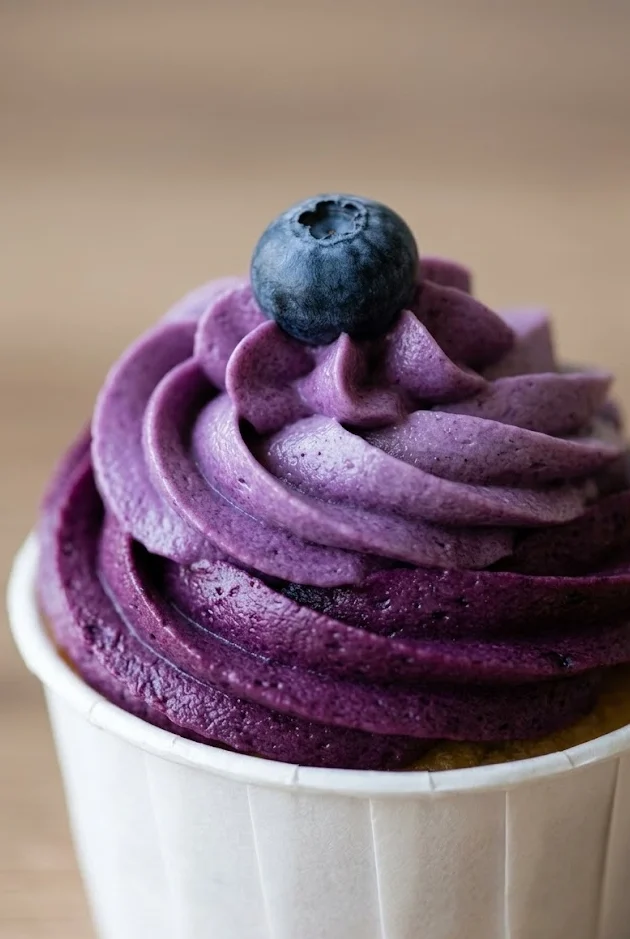
There is a moment when you frost a cake or a batch of cupcakes with something genuinely beautiful and realize that the frosting itself is the dessert. Not an afterthought. Not a sweet glue holding decorations in place. The thing people reach for first with a spoon before the cake is even sliced.
This Fresh Blueberry Frosting is that moment in a bowl.
Blueberry desserts have always drawn people in with their color — that deep, moody purple that sits somewhere between elegant and playful. But most blueberry-colored frostings achieve that shade with food dye and artificial flavoring. This one earns it honestly, through real blueberries cooked down into a concentrated, intensely flavored reduction that stains the frosting a gorgeous natural purple and fills every bite with genuine blueberry taste.
It is the kind of frosting that makes a simple vanilla cake look like it came from a boutique bakery. And it takes about fifteen minutes to make.
Why You’ll Love This Fresh Blueberry Frosting
This frosting earns its place in your permanent recipe collection for reasons that go well beyond how it looks. It tastes unmistakably of real blueberries — bright, slightly tart, and naturally sweet in a way that no extract or artificial flavor has ever managed to replicate.
It falls comfortably into the category of healthy blueberry desserts by frosting standards. There is no food dye, no artificial anything, and the blueberry reduction that drives the flavor also brings real nutritional value. You can dial back the powdered sugar, swap in a cream cheese base, or use a dairy-free butter alternative without losing the essence of what makes this frosting special.
It is versatile enough to work as blueberry desserts for a crowd when spread over a sheet cake, and intimate enough to make blueberry desserts for two when you pipe it over a small batch of cupcakes on a quiet afternoon. It is also, without question, one of the most aesthetic blueberry desserts you will put on a table — the color alone stops people mid-conversation.
Common Mistakes When Making Blueberry Frosting (And How to Avoid Them)
Not reducing the blueberry sauce enough. This is the single most important step in the entire recipe and the one most likely to be rushed. The blueberry reduction needs to cook down until it is thick, concentrated, and almost jam-like. A thin, watery reduction added to butter and powdered sugar will make the frosting loose, difficult to pipe, and pale in color. Cook it longer than you think you need to.
Adding the reduction while it is still warm. Warm blueberry reduction added to room temperature butter will melt the fat and break the frosting into a greasy, separated mess. The reduction must be completely cool — ideally refrigerated — before it goes anywhere near the butter. Make it the night before if you can.
Using cold butter. Room temperature butter is non-negotiable for any buttercream. Cold butter will not cream properly and will leave lumps throughout the frosting that no amount of mixing will fully resolve. Take your butter out at least an hour before you begin.
Adding too much reduction too quickly. Add the blueberry reduction to the whipped butter gradually, one tablespoon at a time, with the mixer running. Adding it all at once can break the emulsion and leave you with a curdled-looking frosting that is difficult to recover.
Skipping the strain. Blueberry skins and seeds in frosting create an unpleasant texture, especially when piped. Straining the cooked reduction through a fine mesh sieve before cooling it is a small step that makes a significant difference in the final result.
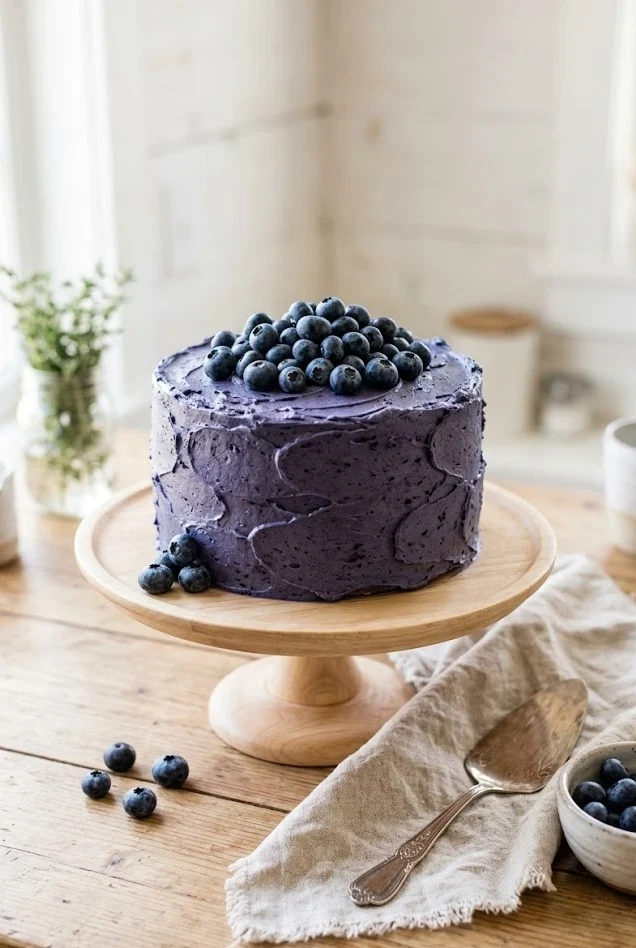
Key Ingredients
Fresh Blueberries Fresh blueberries give you the brightest, most vibrant reduction with the cleanest flavor. They cook down quickly and produce a reduction with a beautiful deep color and genuine berry taste. Frozen blueberries work just as well — they actually release their juice faster during cooking, which can slightly speed up the reduction process. Either way, the blueberries are doing all the heavy lifting in this recipe.
Unsalted Butter Full-fat, unsalted butter at room temperature is the foundation of the buttercream base. Using unsalted butter gives you full control over the salt level, which matters because the sweetness of the powdered sugar and the tartness of the blueberries need to be in careful balance. European-style butter with a higher fat content produces a noticeably silkier frosting.
Powdered Sugar Powdered sugar provides structure and sweetness. It is also what gives the frosting its pipeable consistency. Sift it before adding it to the butter — unsifted powdered sugar creates lumps that are difficult to beat out fully. For a less sweet frosting, reduce the powdered sugar and compensate with a slightly larger amount of blueberry reduction.
Cream Cheese (Optional but Exceptional) Adding softened cream cheese to the base transforms this into a blueberry desserts cream cheese frosting that is tangier, denser, and arguably even more delicious than the straight buttercream version. It also makes the frosting slightly more stable at room temperature, which is useful for blueberry desserts for a crowd served at summer gatherings.
Lemon Juice and Zest A small amount of fresh lemon juice in the blueberry reduction brightens the flavor and deepens the color through a subtle chemical reaction between the acid and the blueberry pigments. A pinch of zest stirred into the finished frosting adds a citrus note that makes the whole thing taste more alive.
Heavy Cream One to two tablespoons of heavy cream added at the end of mixing gives the frosting a lighter, fluffier texture and makes it easier to pipe into clean, defined swirls. For a dairy-free version, full-fat coconut cream works identically.
How to Make Fresh Blueberry Frosting
Prep time: 10 minutes | Cook time: 15 minutes | Cool time: 30 minutes minimum | Makes: Enough to frost 12 cupcakes or one 2-layer 8-inch cake
For the Blueberry Reduction:
- 1 and 1/2 cups fresh or frozen blueberries
- 2 tablespoons granulated sugar
- 1 tablespoon fresh lemon juice
For the Frosting:
- 1 cup unsalted butter, room temperature (2 sticks)
- 3 to 3 and 1/2 cups powdered sugar, sifted
- 3 to 4 tablespoons blueberry reduction, cooled completely
- 1 to 2 tablespoons heavy cream
- 1 teaspoon vanilla extract
- Pinch of salt
Instructions:
- Combine the blueberries, granulated sugar, and lemon juice in a small saucepan over medium heat. Stir to combine and cook, stirring occasionally, until the blueberries burst and release their juice, about 5 minutes.
- Increase the heat slightly and continue cooking, stirring more frequently, until the mixture reduces by roughly half and becomes thick and syrupy, about 8 to 10 more minutes. It should coat the back of a spoon and leave a clear trail when you drag your finger across it.
- Press the reduction through a fine mesh sieve into a small bowl, using the back of a spoon to extract as much liquid as possible. Discard the skins and seeds. Let the reduction cool completely at room temperature, then transfer to the refrigerator until fully chilled.
- In a large bowl, beat the room temperature butter with a hand mixer or stand mixer fitted with the paddle attachment on medium-high speed for 3 to 4 minutes until pale, light, and fluffy. Do not rush this step — properly creamed butter is the foundation of smooth frosting.
- Reduce the mixer speed to low and add the sifted powdered sugar one cup at a time, mixing until incorporated before adding the next cup. Scrape down the sides of the bowl between additions.
- Add the cooled blueberry reduction one tablespoon at a time with the mixer running on low speed. Add vanilla extract, a pinch of salt, and one tablespoon of heavy cream. Increase speed to medium-high and beat for 2 minutes until the frosting is fluffy and smooth.
- Check the consistency. If the frosting is too thick to pipe, add the remaining tablespoon of heavy cream and beat briefly. If it is too soft, refrigerate for 15 minutes and beat again before using.
- Use immediately or store in an airtight container in the refrigerator for up to five days. Bring back to room temperature and re-whip briefly before frosting.
Variations and Tips
Blueberry Cream Cheese Frosting Replace half the butter with an equal amount of full-fat block cream cheese, softened to room temperature. Beat the butter and cream cheese together before adding the powdered sugar. The result is tangier, denser, and pairs beautifully with lemon cake, vanilla cake, and carrot cake. This is one of the most requested blueberry desserts cream cheese variations and for very good reason.
Make It Dairy Free Use a high-quality plant-based butter block in place of dairy butter and replace the heavy cream with full-fat coconut cream. The frosting will be slightly softer at room temperature but will firm up nicely when refrigerated.
Make It a Healthy Blueberry Frosting Reduce the powdered sugar to 2 cups and increase the blueberry reduction slightly to compensate for sweetness. The frosting will be less structured but still pipeable when chilled. Using whipped coconut cream as the base instead of butter creates an even lighter option that still carries the blueberry color and flavor beautifully.
Gluten Free Pairing This frosting is naturally gluten free, making it a perfect partner for gluten free blueberry desserts across the board — gluten free vanilla cupcakes, almond flour layer cakes, or the Gluten-Free Blueberry Cheesecake Bars from earlier in this series.
Pro Tips:
- For the deepest, most saturated purple color, use wild blueberries rather than cultivated ones. Wild blueberries are smaller, more intensely pigmented, and produce a reduction with a dramatically richer color.
- If your frosting looks slightly grey or muted rather than purple, add a tiny drop of fresh lemon juice directly to the finished frosting and beat briefly. The added acidity shifts the pigment toward a brighter, more vibrant purple.
- Pipe this frosting immediately after making it for the sharpest, most defined swirls. If it has been refrigerated, always re-whip before piping — cold frosting tears cake surfaces and pipes with jagged edges.
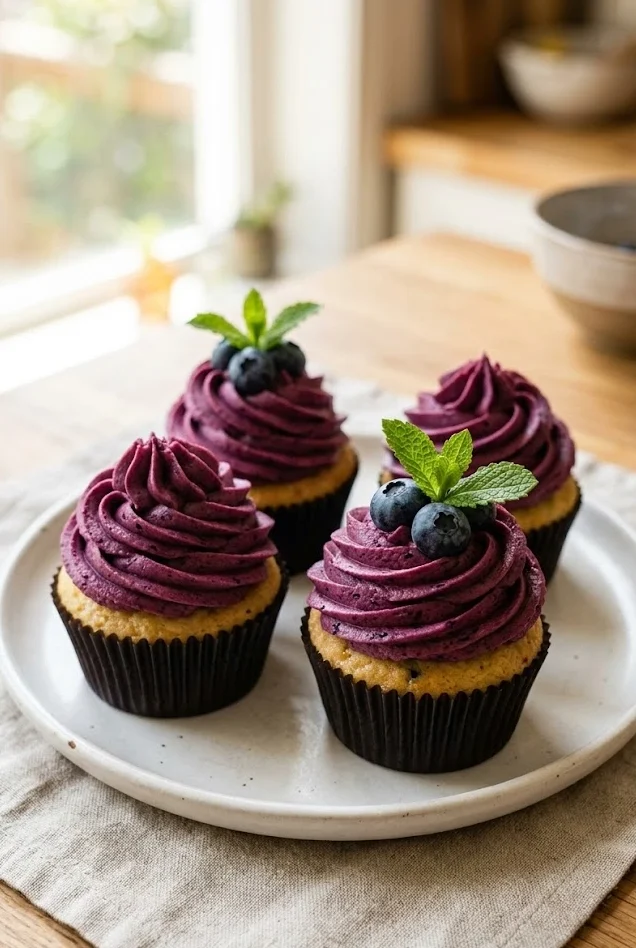
How to Meal Prep This Blueberry Frosting
This frosting is one of the most practical elements to prepare ahead when planning blueberry desserts for a crowd. The blueberry reduction can be made up to one week in advance and stored in a sealed jar in the refrigerator, which means the most time-consuming part of the recipe is already done when you are ready to frost.
The finished frosting stores well in an airtight container in the refrigerator for up to five days. When you are ready to use it, set it on the counter for 30 to 45 minutes to come back to room temperature, then re-whip with a hand mixer for one to two minutes until it returns to its original light and fluffy consistency.
For longer storage, the frosting freezes beautifully for up to two months. Transfer it to a zip-lock freezer bag, press out the air, and lay it flat in the freezer. Thaw overnight in the refrigerator and re-whip before using. This makes it an ideal component for batch-prepping blueberry desserts well in advance of a party or gathering.
Frosted cakes and cupcakes can be refrigerated for up to three days. Bring them to room temperature for at least 30 minutes before serving — cold frosting loses its silkiness and the flavor of both the cake and frosting is significantly better at room temperature.
Frequently Asked Questions
Can I use blueberry jam instead of making a reduction? You can, and it works reasonably well as a shortcut for easy blueberry desserts. Use a high-quality jam with a short ingredient list and no artificial flavoring. The flavor will be slightly more one-dimensional and the color less vibrant than a homemade reduction, but the frosting will still be genuinely delicious and far better than any artificially flavored alternative.
Why did my frosting turn grey instead of purple? Grey frosting usually means the blueberry reduction was added while still slightly warm, which can affect the pigment, or that the butter was too yellow to allow the purple to come through clearly. Using a lighter, higher-fat European butter and ensuring your reduction is fully chilled before adding it will give you the most vibrant color. A small drop of lemon juice in the finished frosting also helps shift the tone toward purple.
How much frosting does this make? This recipe makes enough to generously frost 12 standard cupcakes with a piped swirl, or to fill and frost a two-layer 8-inch round cake with a moderate crumb coat and a finished top and sides. For a three-layer cake or a heavily decorated sheet cake, increase the recipe by half.
Can I make this as a no bake blueberry dessert topping? Absolutely. This frosting requires no baking at any stage — it is already a no bake blueberry dessert component. Use it as a dip for fresh fruit, a spread for gluten free crackers and shortbread, or spoon it directly over a store-bought pound cake for an instant, impressive dessert that comes together in minutes.
Cultural Context: Frosting, Color, and the Language of Celebration
Frosting as we know it today — smooth, sweet, spreadable, and deeply tied to celebration — has a surprisingly recent history. While sugar-based glazes and icings appear in European baking records as far back as the seventeenth century, the fluffy, butter-based American buttercream that most people picture when they hear the word frosting only became a standard home kitchen fixture in the twentieth century, when electric mixers made the extended beating required to achieve that light texture accessible to everyday cooks.
Color has always been central to the meaning of frosting. From the white royal icing of wedding cakes — symbolizing purity and celebration — to the pastel buttercreams of birthday parties, the color of frosting has communicated something about the occasion it marks.
Natural color in frosting is having a genuine cultural moment right now. As more home bakers and professional pastry chefs move away from synthetic dyes, fruit-based colorings have moved from health-food novelty to mainstream preference. Blueberry, beet, matcha, and turmeric are among the most widely used natural pigments in modern baking — and blueberry, with its deep and complex purple, is arguably the most beautiful of all of them.
This Fresh Blueberry Frosting sits at that intersection of tradition and intention — a classic buttercream technique applied to an ingredient that is both genuinely good for you and genuinely stunning. It is the kind of recipe that makes the act of frosting a cake feel like it means something.
Fresh Blueberry Frosting
Equipment
- Small saucepan
- fine mesh sieve
- mixing bowl
- hand mixer or stand mixer
- spatula
Ingredients
- 1 1/2 cups fresh or frozen blueberries
- 2 tbsp granulated sugar
- 1 tbsp lemon juice
- 1 cup unsalted butter, room temperature
- 3-3 1/2 cups powdered sugar, sifted
- 3-4 tbsp blueberry reduction, cooled
- 1-2 tbsp heavy cream
- 1 tsp vanilla extract
- 1 pinch salt
Instructions
- Combine blueberries, sugar, and lemon juice in a saucepan over medium heat. Cook until berries burst and release juices, about 5 minutes.
- Continue cooking until the mixture reduces by half and becomes thick and syrupy, about 8–10 minutes.
- Strain through a fine mesh sieve and let cool completely, then chill.
- Beat room temperature butter until light and fluffy, about 3–4 minutes.
- Add powdered sugar gradually, mixing well after each addition.
- Add blueberry reduction gradually, then mix in vanilla, salt, and cream. Beat until smooth and fluffy.
- Adjust consistency with more cream or chill if too soft. Use immediately or store refrigerated.